


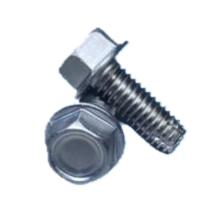
Thread cutting screws are widely used throughout manufacturing, assembly, construction, and maintenance operations because they simplify fastening while creating secure, reusable threads in a variety of materials. Unlike standard machine screws, thread cutting screws are designed to cut mating threads during installation, eliminating the need for pre-tapped holes in many applications.
For engineers, maintenance professionals, and purchasing teams, understanding how thread cutting screws work can help improve assembly efficiency, reduce labor requirements, and ensure reliable fastening performance.
Key Takeaways: What Are Thread Cutting Screws and How Do They Work?
- Thread cutting screws create mating threads as they are installed, reducing the need for separate tapping operations.
- These fasteners are commonly used in metal, plastic, and other materials where durable, reusable threads are required.
- Thread cutting screws are hardened.
- Thread cutting screws feature specialized cutting edges or notches that remove material and form threads during installation.
- Proper screw selection helps improve assembly reliability, reduce installation time, and support long-term fastening performance.
What Are Thread Cutting Screws?
Thread cutting screws are self-tapping fasteners specifically designed to cut threads into a prepared hole as they are driven into a material.
Unlike thread forming screws, which displace material to create threads, thread cutting screws remove a small amount of material using cutting edges built into the screw’s thread design.
This allows the fastener to produce a precisely matched thread path while minimizing installation complexity.
Because they create machine-screw-quality threads, thread cutting screws are often used in applications where components may need to be removed and reinstalled multiple times.
Thread cutting screws:
- Remove material during installation
- Produce clean mating threads
- Work well in harder materials
- Generate chips during installation
- Allow repeated assembly and disassembly
How Thread Cutting Screws Work
The defining feature of a thread cutting screw is its cutting point.
As the screw rotates during installation, the cutting edge removes a small portion of material from the wall of the pilot hole. This process creates matching internal threads that correspond directly to the screw’s external threads.
The installation process generally follows these steps:
- A pilot hole is prepared.
- The screw enters the hole.
- The cutting edge removes material.
- New mating threads are created.
- The screw seats securely within the material.
Once installed, the fastener provides a strong mechanical connection while allowing future removal and reinstallation if required.
Common Types of Thread Cutting Screws
Manufacturers produce thread cutting screws with several cutting configurations. The main option that Ford Fastener’s provides is Type F.
Type F Screws
Type F thread cutting screws are among the most common styles used in sheet metal and heavy-gauge materials. They feature a machine screw thread combined with cutting flutes near the point.
Different styles are designed to match specific material thicknesses, hardness levels, and fastening requirements.
Materials Commonly Used with Thread Cutting Screws
Thread cutting screws are frequently used in:
Metal
Common applications include:
- Sheet metal assemblies
- Equipment enclosures
- Industrial machinery
- HVAC equipment
Plastic
Many engineered plastics benefit from thread cutting screws because they allow secure fastening while maintaining serviceability.
Composite Materials
Certain composite assemblies utilize thread cutting screws to create durable threaded connections without requiring separate inserts or tapping operations.
Benefits of Thread Cutting Screws
Several advantages contribute to the widespread use of thread cutting screws.
Reduced Assembly Steps
Since the screw cuts its own threads, manufacturers may eliminate secondary tapping operations.
Strong Thread Engagement
The threads created during installation match the fastener precisely, supporting reliable holding strength.
Reusability
Unlike some fastening methods, thread cutting screws often allow repeated assembly and disassembly without significantly compromising performance.
Lower Production Costs
Reducing tapping operations can help decrease labor and processing costs.
Broad Application Versatility
Thread cutting screws can be used across numerous industries and materials.
Industries That Use Thread Cutting Screws
Thread cutting screws are found throughout many sectors, including:
- Castings
- Manufacturing
- Automotive
- Appliances
- Construction
- Aerospace support equipment
- Industrial machinery
- HVAC systems
- Angle iron
- Steel struts
- Solar PV mounting systems
- Battery Electric Storage Systems (BESS)
Their ability to provide a strong threaded connection while simplifying assembly makes them useful in both high-volume production and maintenance applications.
Considerations When Selecting Thread Cutting Screws
Choosing the proper thread cutting screw involves evaluating several factors.
Material Compatibility
Different materials may require specific cutting styles and thread designs.
Hole Size
Proper pilot hole dimensions influence installation torque and thread quality.
Corrosion Resistance
Environmental conditions may require:
- 410 fasteners
- Stainless steel fasteners
- Specialty coatings (1000 hour long-life coating available)
Load Requirements
The anticipated loads should align with the fastener’s capacity and material specifications.
Installation Environment
Temperature, vibration, moisture, and chemical exposure may also influence fastener selection.
Common Installation Mistakes to Avoid
Even high-quality thread cutting screws can underperform if installed incorrectly.
Common issues include:
- Using the wrong pilot hole size
- Over-tightening the fastener
- Selecting the incorrect screw style
- Ignoring material compatibility
- Reusing damaged fasteners
Following manufacturer recommendations helps support consistent installation results and fastening reliability.
Why Thread Cutting Screws Remain a Popular Fastening Solution
Thread cutting screws continue to be a preferred solution because they combine fastening and thread creation into a single operation. Their ability to create durable, reusable threads helps streamline production, simplify maintenance, and provide dependable performance in a wide range of materials.
Whether used in manufacturing equipment, electrical assemblies, sheet metal fabrication, or OEM products, thread cutting screws offer an efficient and proven method for achieving secure mechanical connections.
Find the Right Thread Cutting Screws for Your Application
Selecting the proper thread cutting screw can improve assembly efficiency, reduce production costs, and support reliable product performance. From standard industrial fasteners to application-specific solutions, choosing the right screw design helps ensure consistent results throughout the life of the assembly.
If you’re looking for thread cutting screws for manufacturing, maintenance, OEM production, or industrial applications, contact Ford Fasteners today. We can help you identify the right fastener for your requirements and provide the inventory, quality, and support needed for your next project.