Why 410 Self Piercing Screws?
Our410 stainless steel self-piercing screws are ideal for a mildly corrosive environment. They are bright hardened for strength and durability and have a shiny stainless-steel appearance. They are mildly magnetic and attach firmly to hex drivers for easy, one hand rapid installation.
Self-Piercing screws are known for its sharp point that can pierce into many applications such as a thin gauge metal. These screws are also referred to as tapping screws, sharp point, or needle point. These screws penetrate into wood as well. They are designed to secure a tight fit on applications. The twin lead threads from head to point gives double the threads for double the speed.
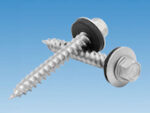
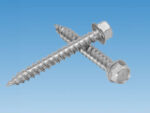
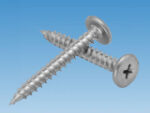
We stock Hex head and Pancake head and we offer EPDM bonded sealing washer assembly done in house. We also offer 1000-hour coating for additional corrosion protection.
Inquire for Product Quotes – Click on Product Images
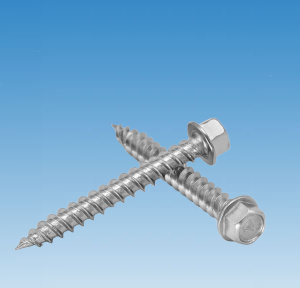
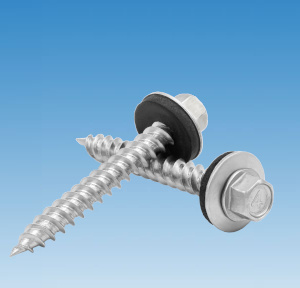
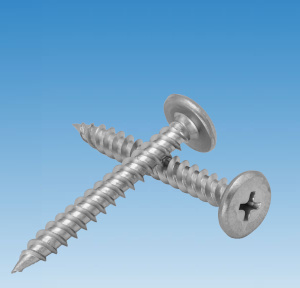

Features of 410 Self-Piercing Screws.
- Sharp point sheet metal screw – pierces light gauge metal
- Self-piercing screws do not need a pilot hole, piercing its own hole firmly into metal saving time and labor
- No pilot hole needed
- Can penetrate into wood
- Twin Lead threads
- Double threads for double the driving speed
- “4” head marking for easy identification of 410 Stainless Steel
- 1000-hour coating available
How Thread Design Contributes to Driving Speed and Holding Strength
Twin-lead threads play a significant role in how efficiently a self-piercing screw installs. With two thread paths advancing simultaneously, the screw moves through material at a faster rate while maintaining balanced engagement. This reduces driving time, minimizes heat buildup, and helps ensure a tight, uniform connection. The thread profile also influences how well the screw resists loosening in applications exposed to vibration or movement.
Key Factors to Consider When Choosing a Self-Piercing Screw
Selecting the right self-piercing screw depends on several practical considerations that influence performance and durability:
- Material Type — Thin metals, wood, and composite panels each respond differently to point penetration.
- Head Style Requirements — Clearance, torque needs, and appearance determine whether hex or pancake heads are appropriate.
- Environmental Conditions — Coatings and washer assemblies help address moisture, corrosion, and exterior exposure.
- Desired Installation Speed — Twin lead threads and point geometry influence how quickly the screw seats.
When Coatings and Washer Assemblies Enhance Performance
In applications where moisture, temperature changes, or exterior exposure are concerns, additional protection is needed. Coatings designed for extended corrosion resistance help maintain the integrity of the fastener in demanding environments. We can add 1000-hour salt-spray coatings onto 410. Bonded sealing washers add another layer of protection by preventing metal-to-metal contact and creating a barrier against water intrusion. These enhancements support long term reliability in roofing, HVAC, ductwork, and other exposed installations.
Self Piercing Screws FAQs
What Makes a Self-Piercing Screw Different from a Self-Drilling Screw?
Self-piercing screws use a sharp point to penetrate thin materials without drilling, while self-drilling screws have a drill point designed for thicker steel.
Can Self-Piercing Screws Be Used in Wood?
Yes. Their sharp point and thread design allow them to penetrate wood cleanly while maintaining strong holding power.
When Should a Sealing Washer Be Added?
A sealing washer is recommended for exterior or moisture-prone applications where preventing water intrusion and surface scratching is important.
How Do I Identify 410 Stainless Self-Piercing Screws?
A “4” marking on the head typically indicates 410 stainless, which is hardened for strength and suitable for metal-to-metal fastening. Additionally, self-piercing screws have a very sharp needle-point
Uses:
Gutters • Flashing • Ductwork • Thin gauge metal • Industrial insulation • Metal jacketed pipe insulation • Wood • Metal roofing and siding • HVAC